NineFoods technique guide · Learn once, use daily
5 Traditional Desi Cooking Techniques Every Cook Should Know
Bhuna. Dum. Tarka, dhungar and handi.
 Written by Farwa ZeeshanRecipe developer, NineFoods
A handful of traditional techniques sit behind almost every Pakistani and North Indian dish. Once you understand what each one does, recipes stop being lists of steps and start making sense. This guide explains the five most important techniques, how to tell when you have done them right and how to fix them when they go wrong.
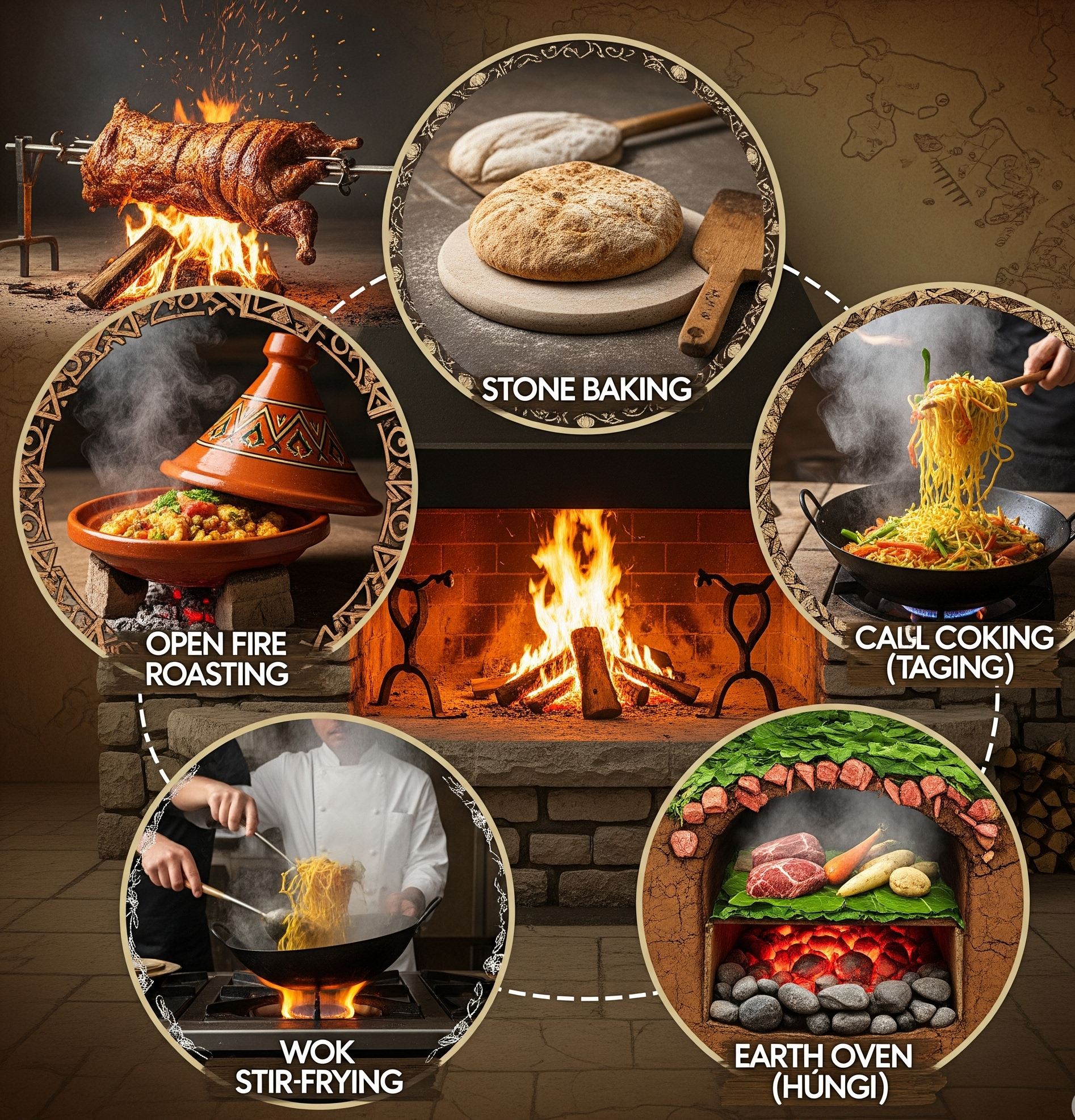
Technique cards
Tap a technique to see how and when to use it
Each card explains the method, the signal to watch for and the mistake to avoid.
Putting it together
Which technique for which dish
| Dish | Main technique | Supporting technique |
|---|---|---|
| Chicken karahi | Bhuna | Dhungar (optional) |
| Biryani | Dum | Bhuna for the masala |
| Daal | Tarka | Slow simmer |
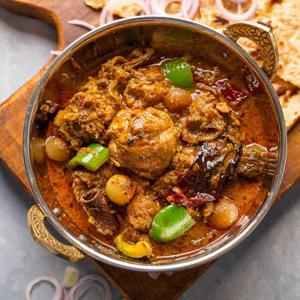
| Chicken handi | Handi cooking | Bhuna |
| Haleem | Slow simmer and dum | Tarka on top |
Common mistakes
How to fix the most common technique problems
- Raw-tasting curry: the bhuna was rushed. Fry until the oil separates before adding water.
- Mushy biryani: the dum ran too long or the rice was overcooked before layering.
- Bitter daal: the tarka garlic or chilli burned. Fry on medium and pour as soon as it is golden.
- Acrid smoke: the dhungar coal stayed in too long. Two minutes is enough.
Keep cooking
Related recipes and guides


Quick answers
Cooking techniques FAQ
What is bhuna in cooking?
Bhuna is frying the masala until its moisture evaporates and the oil separates, which removes raw flavours and deepens taste.
What does dum mean?
Dum means cooking slowly in a sealed pot so the food steams in its own juices.
What is the difference between tarka and tadka?
They are the same thing: spices bloomed in hot fat and poured over a dish.
How do I add smoky flavour without a grill?
Use the dhungar method: a hot coal in a small bowl with ghee, covered in the pot for 2 minutes.