The Soul of Pakistani Cuisine

The Art and Science of Pakistani Meal Prep

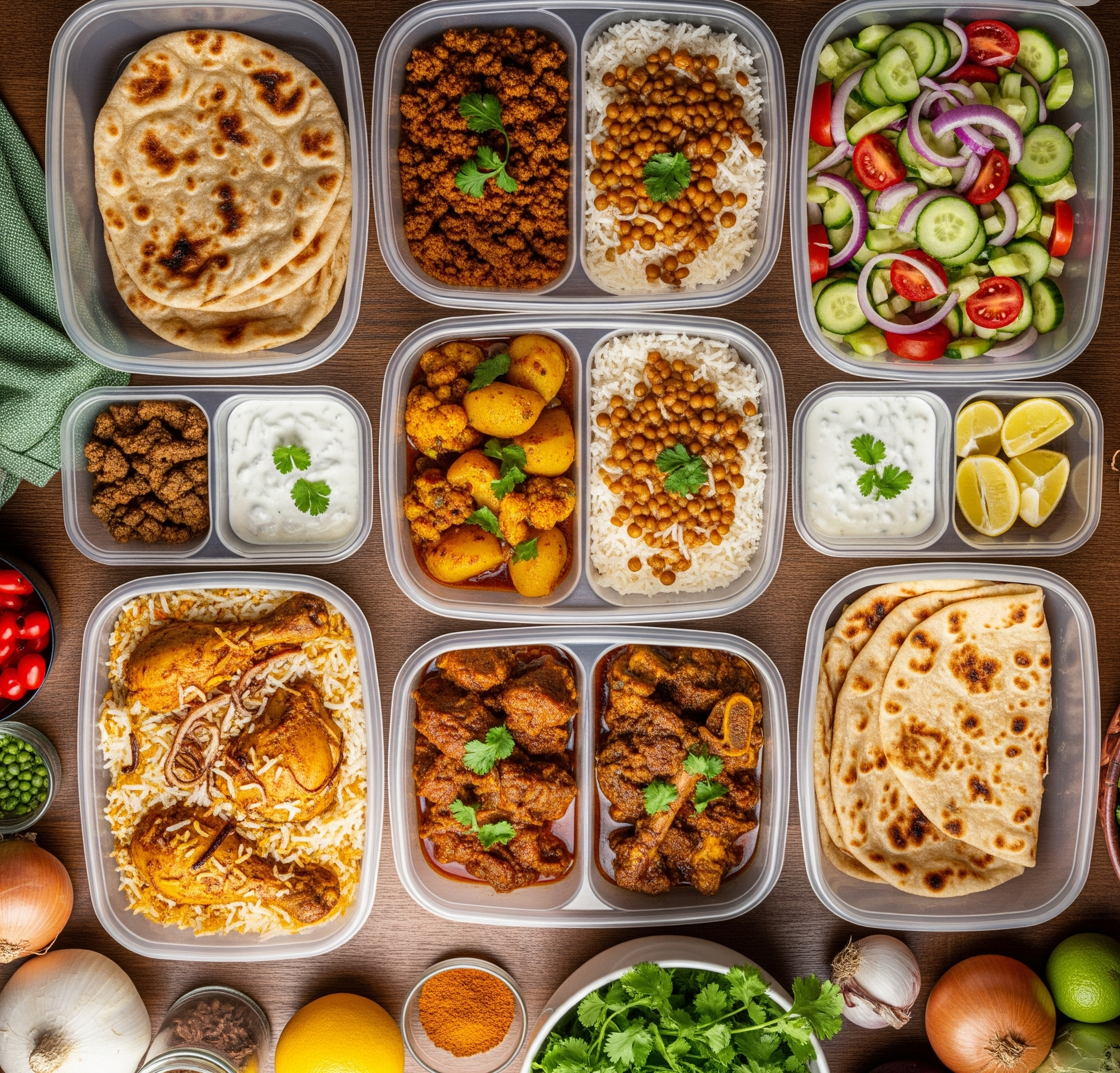
The concept of meal preparation, often viewed through a modern, Western lens of portioned containers and minimalist salads, finds a deeply rooted, albeit stylistically different, counterpart in the Pakistani kitchen. Here, it is less about stark efficiency and more about a sophisticated orchestration of flavors and textures, a science of pre-planning that allows for the daily creation of complex, soul-satisfying meals without the commensurate daily labor. It is a time-honored tradition, passed down through generations, that understands the alchemy of spices and the importance of foundational elements.

Beyond the Stereotype: More Than Just Biryani and Karahi

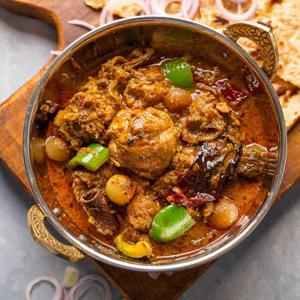
While iconic dishes like biryani and karahi are deservedly celebrated ambassadors of Pakistani cuisine, they represent but a fraction of the culinary panorama. The true genius of Pakistani home cooking lies in its diversity—the humble yet profound daals (lentils), the robust salans (curries), the fragrant pulaos (pilafs), and the myriad of vegetable preparations known as sabzi. Effective meal prep unlocks this entire spectrum, making it possible to enjoy a varied and authentic menu throughout the busiest of weeks.

The Guiding Philosophy: Marrying Efficiency with Rich Tradition

Pakistani meal prep is not about sacrificing authenticity for convenience. On the contrary, it is about honoring tradition through intelligent foresight. The philosophy is to deconstruct the cooking process into preparatory stages that can be executed in a single, focused session. This allows the cook to invest time in developing deep, foundational flavors, which then become the building blocks for quick and effortless meal assembly during the week. It’s a system that respects both the clock and the palate.

The Foundational Pillars of Pakistani Meal Prep

Mastering the “Masala” Base: The Heartbeat of the Kitchen

The Quintessential Onion-Tomato Base (Bhuna Masala)

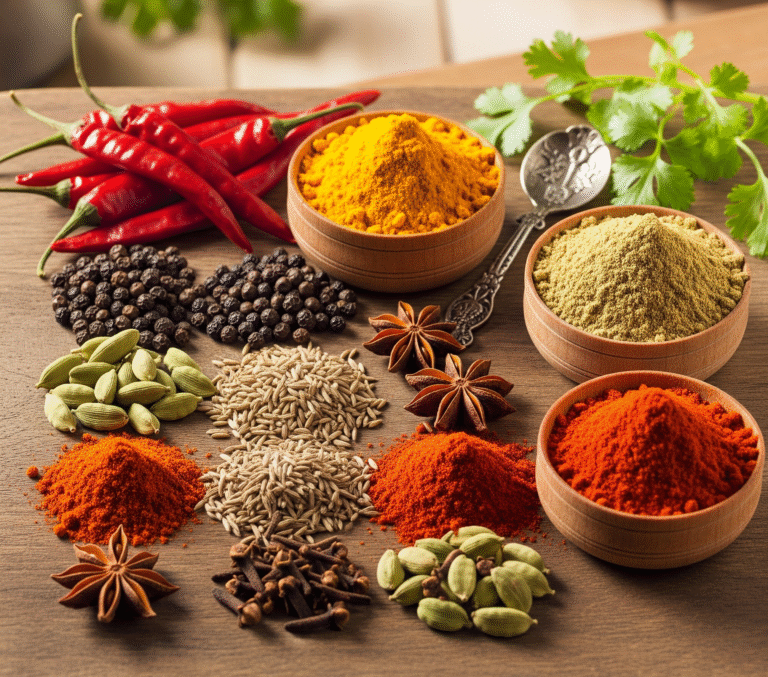
The cornerstone of countless Pakistani curries is the bhuna masala—a slow-cooked, caramelized concoction of onions, tomatoes, and spices. Preparing a large batch of this base is the single most impactful meal prep task you can undertake. The process involves slowly frying finely chopped onions until they are a deep golden brown, then adding tomatoes and powdered spices (like turmeric, red chili, and coriander) and cooking until the oil separates—a visual cue known as tel alag hona. This rich, umami-laden paste can be refrigerated for a week or frozen in portions, ready to jumpstart any curry.

Pre-made Ginger-Garlic-Chili Paste: A Timesaving Elixir

The triumvirate of ginger, garlic, and green chilies forms the primary aromatic profile of most savory dishes. Peeling and grinding these ingredients daily is a tedious impediment. A far more sagacious approach is to prepare a large batch of paste. By blending equal parts ginger and garlic with a smaller quantity of green chilies and a touch of oil or vinegar as a preservative, you create a potent flavor bomb. Stored in an airtight jar in the refrigerator, this paste can be spooned directly into your cooking, saving precious minutes and considerable effort.

Weekly Meal Prep: Pakistani Culinary Strategy

The Protein Powerhouse: Prepping Meats and Legumes

Marination Magic: Infusing Flavor Days in Advance

Marination is not merely a preparatory step in Pakistani cooking; it is a transformative process. For dishes like chicken tikka, seekh kebabs, or even a basic chicken curry, marinating the meat in a mixture of yogurt, lemon juice, and spices (a process called galaana) does more than just flavor the surface. It tenderizes the protein from within. You can prepare several different marinades on your prep day, portion out your chicken, mutton, or beef, and freeze them. This allows the flavors to penetrate deeply over time, resulting in exceptionally succulent and sapid final dishes.

The Legume Lexicon: Soaking and Parboiling Daals and Chanas

Lentils (daal) and chickpeas (chana) are central to the Pakistani diet. Their primary drawback is the long cooking time. This can be circumvented by soaking the legumes overnight and then parboiling them until they are about 80% cooked. After draining and cooling, these can be stored in the refrigerator or freezer. When you need a quick daal, you simply have to finish the cooking process in your pre-made masala base and finish with a tarka (tempering of spices in hot oil).

Carbohydrate Cornerstones: Rice and Roti

Perfecting Parboiled Rice for Quick Assembly

Instead of cooking rice from scratch daily, you can parboil long-grain Basmati rice until it is just shy of being fully cooked. After draining and allowing it to cool completely to prevent clumping, it can be stored in the fridge. This pre-cooked rice can be quickly steamed, fried for a pulao, or layered for a quick biryani.

The Art of “Ata”: Preparing and Storing Roti Dough

Fresh, hot roti (flatbread) is non-negotiable for many Pakistani meals. While the final cooking is best done fresh, the dough (ata) can be prepared in advance. Kneading whole wheat flour with water to form a smooth, pliable dough and storing it in an airtight container in the refrigerator is a common practice. A well-rested dough is also easier to roll out, making the final step of cooking the roti on a tawa (griddle) a swift affair.

A Sample 5-Day Pakistani Meal Prep Blueprint

Sunday Prep-Day: The Grand Culinary Strategy

Allocate 2-3 hours. Prepare a large batch of bhuna masala. Make a jar of ginger-garlic-chili paste. Marinate chicken for Karahi. Boil and store chickpeas. Parboil rice. Knead ata for the next 2-3 days. Chop common vegetables like onions and bell peppers.

Monday’s Menu: Classic Chicken Karahi with Hot Roti

Assembly time: 20 minutes. In a karahi or wok, heat some of your pre-made masala base. Add the marinated chicken and stir-fry on high heat. Garnish with fresh ginger juliennes and cilantro. Serve with freshly made roti from your pre-made dough.

Tuesday’s Table: Comforting Daal Chawal with Achaar

Assembly time: 15 minutes. Combine your parboiled chickpeas with the bhuna masala in a pot, add water to reach your desired consistency, and simmer. Reheat your parboiled rice. Serve the chana daal over the rice (chawal) with a side of spicy mango pickle (achaar).

Wednesday’s Delight: Keema Mattar (Mince with Peas)

Assembly time: 25 minutes. Sauté ground meat (keema) until browned. Add a generous portion of your masala base and the ginger-garlic-chili paste. Stir in frozen peas (mattar) and cook until the keema is tender. This dish pairs beautifully with either roti or rice.

Thursday’s Feast: Hearty Aloo Gosht (Meat and Potato Curry)

Assembly time: 30-40 minutes (mostly passive). Brown cubed mutton or beef. Add the masala base and potatoes (aloo). Add water, cover, and simmer until the meat is fall-apart tender. The pre-made base drastically cuts down the active cooking time for this slow-cooked classic.

Friday’s Finale: A Creative Leftover Remix into Vegetable Pulao

Assembly time: 20 minutes. Sauté some whole spices (cumin, cloves, cardamom) in oil. Add any leftover vegetables and the pre-cooked rice. Stir-fry gently, adding a splash of water or broth to steam everything through. You can also incorporate leftover keema or shredded chicken for a more substantial meal.

Weekly Meal Prep: Pakistani Culinary Strategy

Advanced Techniques and Storage Solutions

The Freezer as Your Ally: Batch Cooking and Cryopreservation of Curries

Do not hesitate to fully cook and freeze entire dishes. Curries like Aloo Gosht and Nihari often develop a more profound flavor after being frozen and reheated. Allow the dishes to cool completely before transferring them to freezer-safe, airtight containers. This cryopreservation technique ensures you have complete, ready-to-eat meals on hand for the most demanding days.

The Efficacy of Hermetic Containers: Preventing Flavor Contamination

The potent aromatics of Pakistani spices can easily permeate other foods in your refrigerator. Investing in high-quality, hermetically sealed glass containers is crucial. This not only preserves the integrity of each dish but also prevents your entire fridge from smelling of curry, ensuring that the crispness of your salad is not compromised by the pungency of your masala.

Reheating and Rejuvenating: Bringing Your Meals Back to Life with a “Tarka”

Reheating a curry in the microwave is functional, but to truly rejuvenate it, use a stovetop. For lentil dishes, the ultimate revival technique is the application of a fresh tarka or bhagar. Just before serving, heat a small amount of ghee or oil in a small pan, sizzle some cumin seeds, sliced garlic, and whole red chilies, and pour this effervescent, aromatic mixture over the reheated daal. It instantly brightens the flavors and adds a textural contrast.

Embracing a Lifestyle of Flavorful Efficiency

Pakistani meal prep is a testament to the ingenuity of a culinary culture that values both deep flavor and practicality. By adopting these strategies—mastering the base, prepping proteins and carbs, and utilizing intelligent storage—you transform your weekly cooking from a recurring chore into a streamlined process of assembly. It is an invitation to explore the vast and vibrant world of Pakistani cuisine, not as a weekend project, but as an achievable and deeply rewarding daily reality.